Pine Lumber in Structural and Interior Building
A practical reference covering frame assembly, lumber selection, and interior finishing for cabin and small building projects in Poland.
Construction Guides
Practical documentation on pine lumber use in load-bearing frames, graded timber selection, and cabin interior applications.
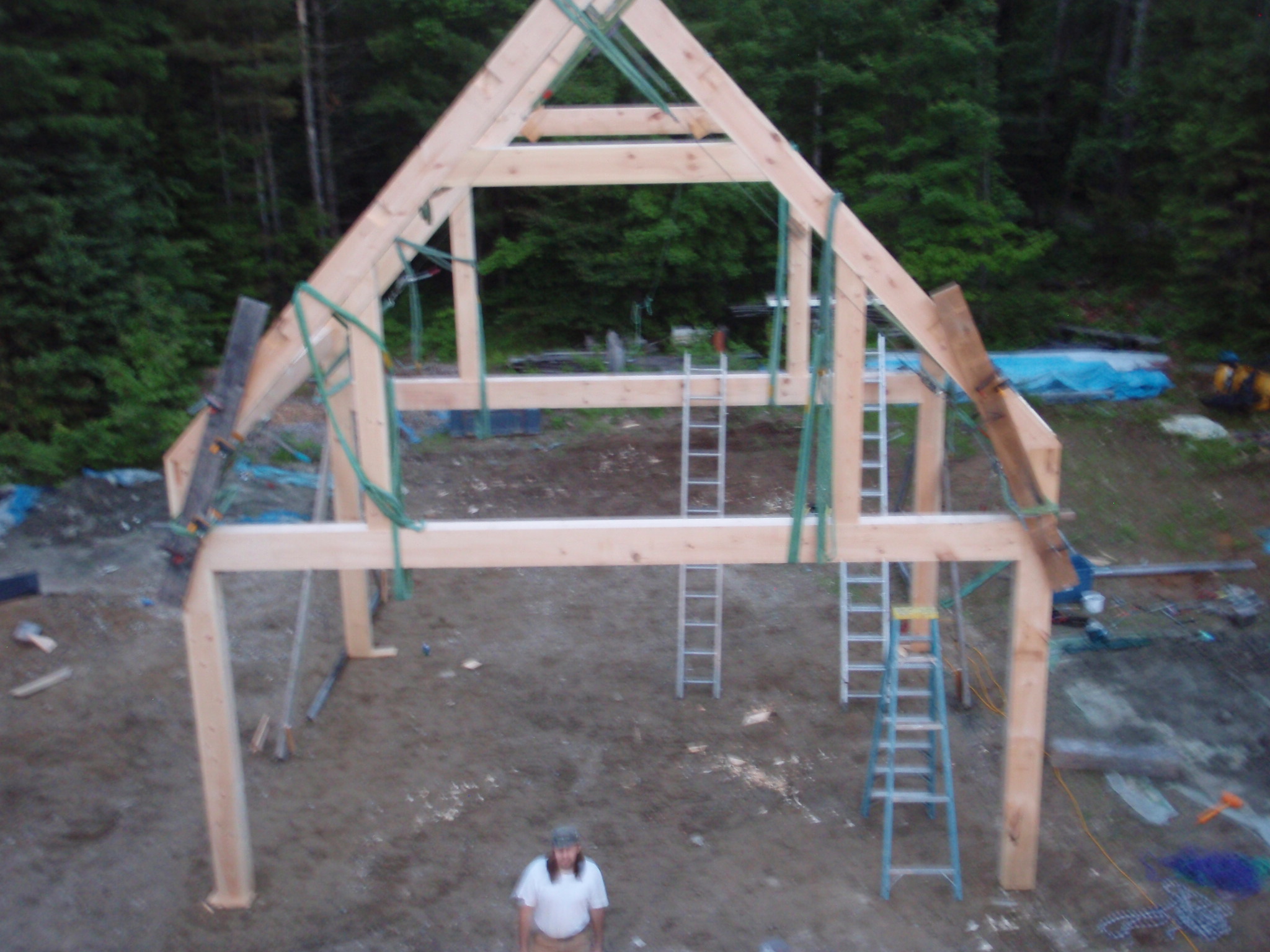
Pine Frame Assembly: Wall and Roof Structure for Small Cabins
A step-by-step reference for assembling pine timber frames — covering sill plates, corner posts, rafters, and common joinery methods used in Polish small-building construction.
Pine Lumber Grades and Selection for Load-Bearing Applications
An overview of European structural timber classifications, moisture content requirements, and grading marks relevant to sourcing pine for cabin frames in Poland.

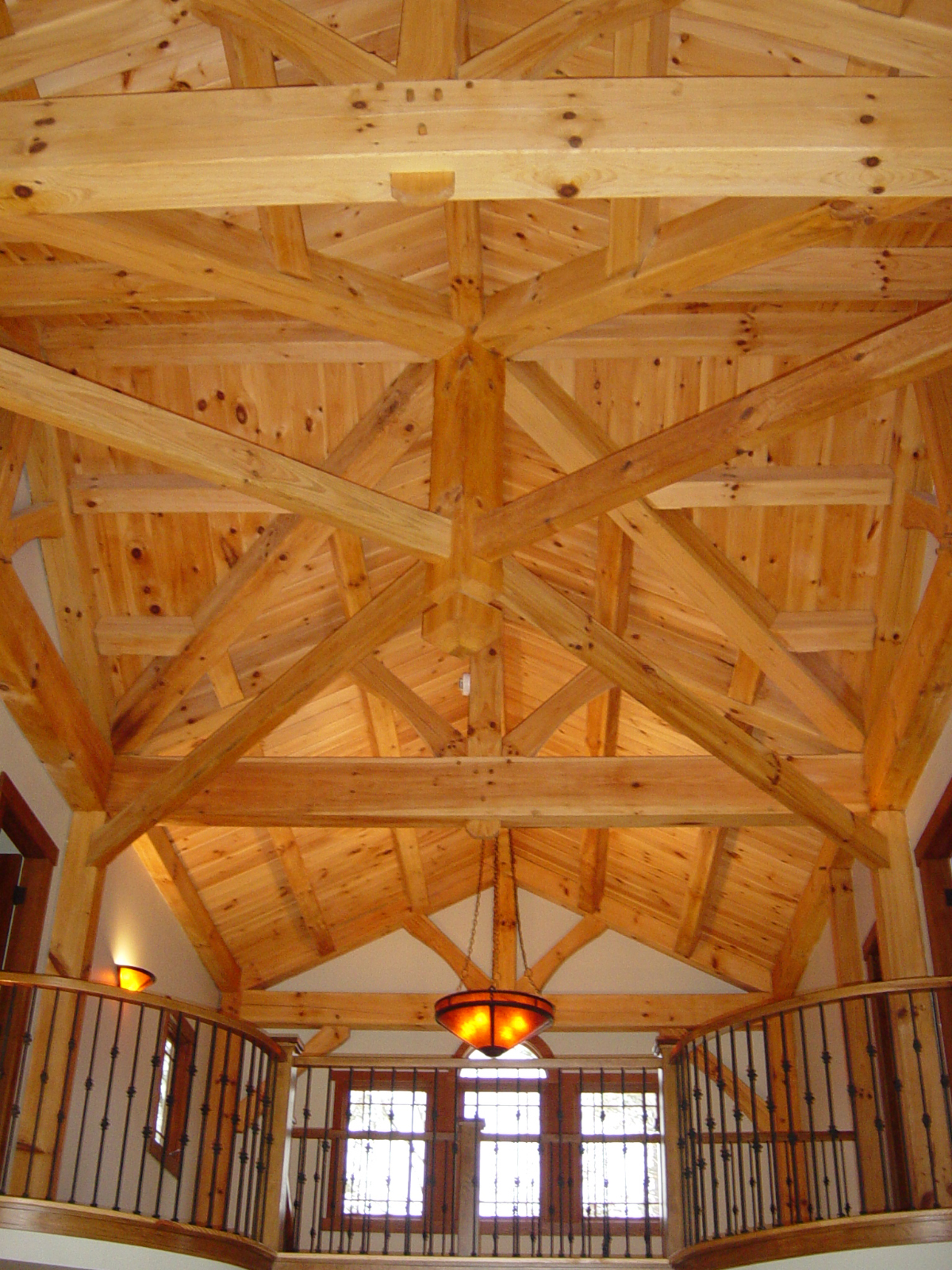
Pine Finishing for Cabin Interiors: Walls, Floors, and Ceilings
Surface preparation, wood treatment options, and finishing approaches for pine board interiors in cabins, including humidity management specific to Polish climate conditions.
Pine in Polish Construction Practice
Scots Pine (Pinus sylvestris)
The predominant structural timber species in Poland. Scots pine grows across roughly 58% of Polish managed forests and produces straight-grained, moderately resinous lumber well-suited to framing and cladding.
EN 338 Strength Classes
Structural pine lumber in Poland is classified under EN 338 (C16–C24 for softwoods). Machine and visual grading under EN 1912 establishes the minimum strength class for load-bearing use.
Moisture and Drying
Timber delivered to Polish building sites commonly arrives at 18–22% moisture content. For interior framing, equilibrium moisture content in the range of 10–14% is typical for heated buildings in this climate zone.
Small Building Regulation
Cabins and recreational buildings up to 35 m² in Poland may be built under simplified procedures per the Construction Law (Prawo budowlane). Structural timber still requires documented strength classification.
Preservative Requirements
Pine heartwood has moderate natural durability (Class 3–4 per EN 350). Ground-contact and exterior-exposed members require preservative treatment to hazard class UC3 or UC4 under EN 335.
Regional Timber Supply
Structural pine is widely available through regional sawmills and timber merchants affiliated with Lasy Państwowe (State Forests). PEFC-certified material is increasingly common in the Polish market.
Typical Pine Cabin Frame Components
Standard members used in platform-frame and post-and-beam construction with pine lumber.
| Member | Typical Section (mm) | Common Grade | Notes |
|---|---|---|---|
| Wall stud | 45 × 145 | C18 / C24 | 600 mm centres; kiln-dried preferred |
| Floor joist | 45 × 195 | C24 | Span-dependent; 400–600 mm centres |
| Ridge beam | 63 × 175 | C24 | Structural ridge requires engineer check |
| Common rafter | 45 × 120 | C16 / C18 | 800–900 mm centres for lightweight roofing |
| Sill plate | 63 × 145 | C24 | Treated to UC3; membrane isolation |
| Interior lining board | 19 × 120 T&G | Class A / AB | Moisture content 10–12% before installation |
Section sizes are indicative. Final sizing requires structural calculation.

Leśniczówka Dębogóra in the Noteć Forest, Poland. Photo: MOs810, CC BY-SA 4.0, Wikimedia Commons.
Send an Enquiry
Questions about specific pine timber applications, corrections to published material, or general construction queries can be submitted below.